
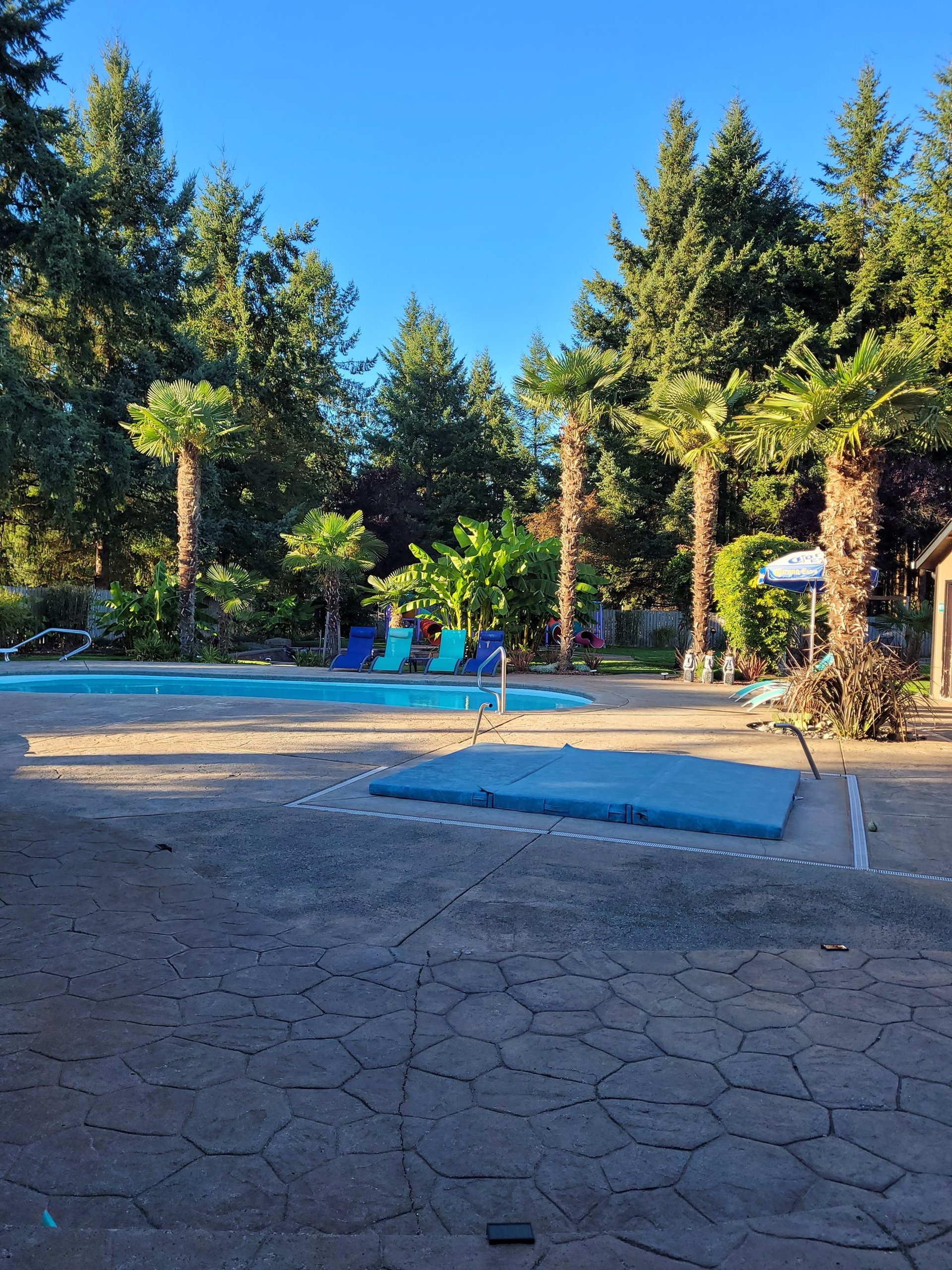
Tropical Living in the Pacific Northwest
You don’t need to live in Florida or Southern California to enjoy a tropical lifestyle. Across the Pacific Northwest, gardeners and homeowners are creating spaces that feel lush, relaxed, and vacation‑like—using palms, broadleaf plants, thoughtful design, and seasonal rhythms that work with our climate instead of fighting it.
This page is your entry point into tropical living in the Northwest. It’s less about plant-by-plant instructions and more about the bigger picture: atmosphere, mindset, and how tropical landscapes fit into everyday life here.
What “Tropical Living” Really Means Here
In the Pacific Northwest, tropical living isn’t about chasing extremes. It’s about:
Creating visual warmth with texture, form, and greenery
Designing outdoor spaces that invite lingering, even on cooler days
Choosing plants that contribute to a tropical feel, not just a tropical label
Accepting seasonality as part of the aesthetic
Palms are part of this story—but they’re not the whole story.
If you’re looking for species-specific palm survival guidance, start with our dedicated resource:
→ Designing a tropical yard retreat
Designing a Tropical Landscape
Tropical design in the Northwest works best when it feels layered and intentional, not forced.
Key elements that consistently work:
Vertical structure: palms, bamboo-style shrubs, tall grasses
Broad leaves: bananas, fatsia, hardy gingers, and companion plants
Natural materials: wood, stone, gravel paths, raised beds
Shelter and microclimates: fences, walls, and hedges that create comfort
Many gardeners start with one anchor plant—often a palm—and build outward from there.
Related reading:
Tropical Spaces as Lifestyle, Not Just Landscaping
A tropical garden changes how you use your space.
People often tell us they:
Spend more time outdoors, even in shoulder seasons
Treat patios and decks like outdoor living rooms
Develop a slower, more observant gardening rhythm
In the Northwest, tropical landscapes aren’t about perfection. They’re about presence.
Seasonal Rhythm: Letting the Garden Breathe
Tropical-style gardens here look different month to month—and that’s a strength.
Spring is about emergence and structure
Summer is density and immersion
Fall brings texture and contrast
Winter highlights form, trunks, and evergreen elements
If you want practical guidance on seasonal transitions, see:
Soil, Containers, and Flexibility
Lifestyle-focused tropical gardening often favors flexibility:
Containers that can be moved or rearranged
Soil mixes that balance drainage and moisture
Spaces designed to evolve over time
For deeper technical breakdowns, visit:
Why This Page Exists
This page exists to help you decide what kind of tropical space you want, before getting lost in technical details.
From here, you can:
Dive into palm species and care
Learn how soil and microclimates affect success
Explore how tropical plants fit into everyday Northwest living
If you’re new here, start by browsing the linked guides above. If you’ve been growing for years, use this page as a reset—a reminder of why tropical gardening is worth it.
Explore More
Pacific Northwest Tropics is about more than plants—it’s about creating spaces that feel alive, calming, and a little unexpected in our corner of the world.
Contact Us
info@pacificnorthwesttropics.net
© 2025. All rights reserved.
About us
At Pacific Northwest Tropics we promote tropical living in sub-tropical climates. Featuring Plant Guides, Landscaping ideas, Merchandise, Gift ideas, and Palm Tree sales. With a focus on providing the ultimate tropical vibe.
Terms and Conditions
Affiliate Disclosure
Some links on this site may be affiliate links. As an Amazon Associate I earn from qualifying purchases.